
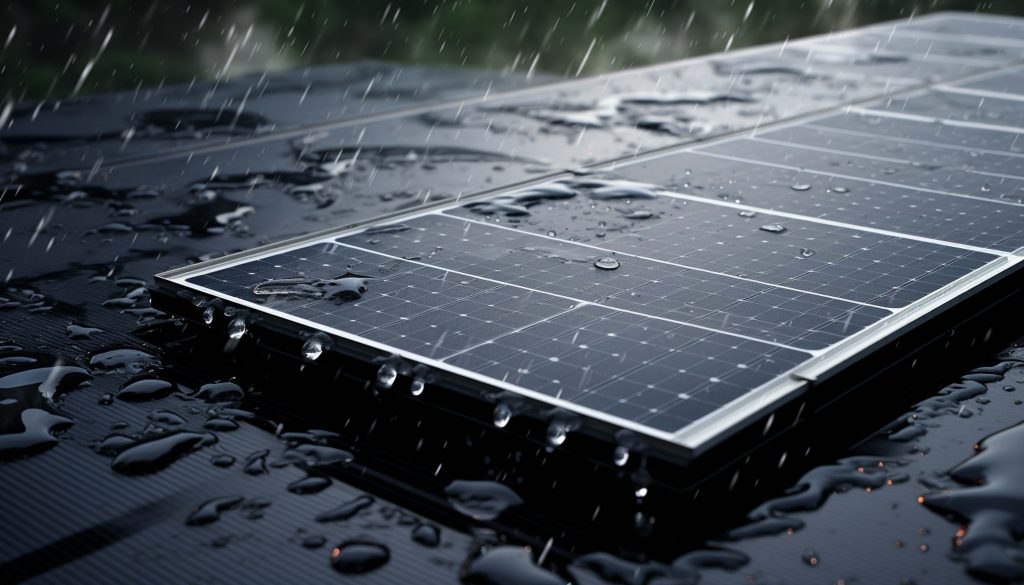
The rainy season is here and if you have a solar system, now is the time to pay attention.
Every year, people are caught off guard when the clouds roll in and their power starts acting up. Lights flickering. Batteries drained overnight and the inverter beeping at 2am. It’s frustrating, especially when you invested in solar specifically to avoid this kind of trouble.
Here’s the thing: a good solar system doesn’t just fail because of rain. Most of the time, it fails because nobody prepared it for the rain. The good news is that a few simple habits can make a massive difference. Let’s get into it.
How to prevent my solar battery from dying
1. Use NEPA to Top Up Your Battery When It Comes
When the sun isn’t showing up fully, your solar panels can’t charge your battery the way they normally would. So if public electricity comes on during the day, use it.
Most hybrid solar inverters have a setting that lets the system pull from the grid to charge your battery. If yours has it and it’s turned off, switch it on. Even one or two hours of grid charging can top your battery up enough to carry you through the night comfortably.
Think of it this way: your battery is like a fuel tank. You wouldn’t drive through a long stretch of bad road with a half-empty tank if you had the chance to fill up first. The same logic applies here.What to do: Go to your inverter settings and look for “grid charging” or “utility charging.” If you’re not sure how to find it, ask your solar provider or reach out to us for help
2. Don’t Run Everything at the Same Time
This one sounds simple, but it catches a lot of people out.
On a sunny day, your solar system generates enough power to handle several appliances running at once without breaking a sweat. But on a cloudy or rainy day, your system is working on stored energy and that storage runs out faster when everything is competing for it.
Running your freezer, pumping machine, pressing iron, and TV at the same time on a rainy day is a fast way to drain your battery before midnight.
The fix isn’t complicated. Just be deliberate about what you run and when.
- Pump your water in the morning, not at night
- Use your pressing iron or washing machine one at a time
- Switch off things that don’t need to be on e.g standby TVs, phone chargers for phones already at 100%, extra lights in empty rooms
You don’t have to live like you’re managing a power crisis. You just have to be a little more thoughtful than usual during the weeks when the sun isn’t fully cooperating.
3. Pay More Attention to Your Battery Than Your Panels
When people’s solar stops working properly in the rainy season, the first thing they do is look at their panels. But most of the time, the panels are fine. The problem is the battery.
Your battery is what carries you through the night and through cloudy days. If it’s old, weak, or not properly maintained, it doesn’t matter how good your panels are — your power will still drop.
Here are a few signs your battery needs attention:
- Your system used to last through the night but now switches off by 3 or 4am
- Your battery charges quickly but also drains quickly
- Your inverter has been warning you about low battery more often than usual
- Your battery bank is more than 4 or 5 years old
If any of these sound familiar, get your battery checked before the rainy season is in full swing. A weak battery in the dry season becomes a real problem in the rainy season. You can also reach out to Sabur energy for that.
4. Run Your Heavy Appliances During the Day, Not at Night
Even on rainy days, there are usually windows where the sun breaks through, often in the late morning or early afternoon before the clouds build up again. That’s your best window to get things done.
This is when you should:
- Pump water
- Run the washing machine
- Charge laptops, phones, and other devices
- Use appliances that draw a lot of power
Why? Because during the day, whatever solar generation is happening goes directly into powering your home. At night, everything runs off stored battery power alone. The more you can shift your heavy usage to daylight hours, the more battery you preserve for when you actually need it overnight and during long stretches of cloud.
It’s a small change in habit but it makes a noticeable difference in how long your power lasts.
5. Rainy Season Will Tell You If Your System Has Outgrown Your Needs
This last point is one that a lot of people don’t want to hear, but it’s important.
If your power struggles every single time there’s a cloudy day, the problem might not be the weather. It might be that your solar system is simply too small for how much energy your household or business now uses.
Solar systems are designed based on your energy needs at the time of installation. But things change. Maybe you added a freezer. Maybe you started working from home. Maybe the family has grown and there are more devices, more appliances, more demand. Your system hasn’t grown with you and rainy season is when that gap becomes impossible to ignore.
Signs your system may have outgrown your needs:
- You’re always managing and rationing power, even on sunny days
- Every new appliance feels like it “breaks” the system
- A technician has checked everything and says it’s all working fine but the power still drops
- Things were fine two years ago but have been getting worse
If this sounds like your situation, the answer isn’t to keep managing it’s to upgrade. More battery storage, additional panels, or a more powerful inverter can transform your experience entirely.
Reach out to a solar professional, explain what you’re experiencing, and ask for an energy audit. They’ll help you figure out exactly what your system needs.
One Last Thing
Your solar system is built to last but only if you work with it, not against it. A rainy season doesn’t have to mean bad power. It just means being a little more intentional: charging when you can, using power wisely, keeping your battery in good shape, and knowing when it’s time to upgrade.
If you’re unsure where your system stands, the Sabur team is always happy to help you figure it out.